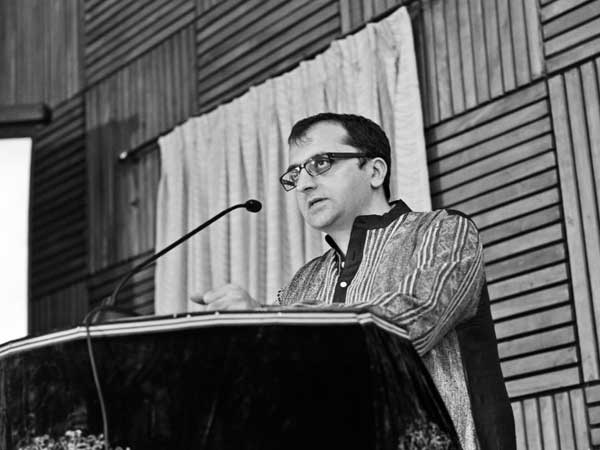
 The Aga Khan Development Network (AKDN) is a large group of institutions that was set up in the 1980s and is currently working in 30 countries. The Aga Khan Trust for Culture looks at culture to leverage socio-economic gain. In conversation with Sudeshna Banerjee, Ratish Nanda, chief executive officer of the Aga Khan Trust for Culture (AKTC), describes how conservation can generate employment in India
The Aga Khan Trust is the first private sector participant in the field of restoration and conservation of Indian monuments. How did it all begin?
The role of the Aga Khan Development Network is to improve the quality of life and we do it in different ways. There are agencies that work in rural development like the Aga Khan Rural Support Programme, looking at uplifting life in the rural sector. The AKTC looks at culture to leverage socio-economic gain. Our principal focus is to help the government to meet its own objective. On the 25th anniversary of India’s independence His Highness the Aga Khan gifted his palace in Pune to the Indian government.
In India, we started working on restoration in 1997 on the occasion of India’s 50th anniversary, when His Highness the Aga Khan gifted the garden restoration of Humayun’s tomb to India. We soon signed an MoU with the Archaeological Survey of India (ASI). This took some time and we could only sign the MoU in 1999 as it was the first time any private network was coming forward to offer funds and restore any national monument in India.
Read at the source: mydigitalfc / Sudeshna Banerjee
| All related |
|---|
|
|






 Ismailimail