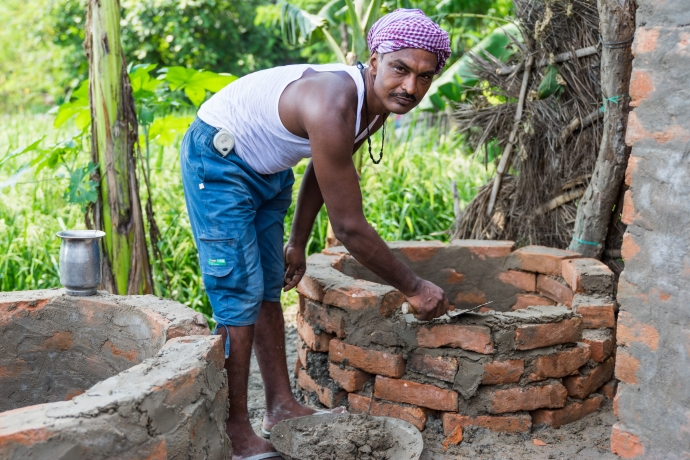
 Community housing in the coastal regions of western India face an expanding array of pressures, risks, and opportunities. Growth of towns and cities in coastal regions is increasing rapidly. The impact of growth on housing conditions and quality of life are major goals of communities in coastal Gujarat. At the same time, coastal regions face multiple natural and anthropogenic hazards. These problems were acute in the coastal Gujarat earthquake of 2005, as well as long-term hazards of salt water intrusion and sea level rise. And yet coastal communities of Gujarat continue to grow and develop in ways that make them more “rurban” than rural, that is, in which rural settlements strive to combine urban amenities with an evolving rural quality of life (Wescoat, 2015). This occurs at a time when the Government of India has adopted a policy of “Housing for All” (GoI, 2016). Additionally, the Aga Khan Development Network has developed and tested a Quality of Life survey instrument which elicits community aspirations in a systematic way.
The design aim of our workshop is to develop community housing proposals that fulfill rurban, universal access, and improved quality of life goals.
The goal of Aga Khan Agency for Habitat (AKAH) is to address the increasing threat posed by natural disasters and climate change. AKAH works to ensure that poor people live in physical settings that are as safe as possible from the effects of natural disasters; that residents who do live in high-risk areas are able to cope with disasters in terms of preparedness and response; and that these settings provide access to social and financial services that lead to greater opportunity and a better quality of life.




 Ismailimail