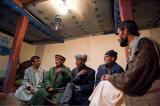
 In the Afghanistan war for hearts and minds, foreign assistance succeeded when a village decided to go from torches to light bulbs
-Excerpt-
But first, the villagers had to elect by secret ballot a shura, or council, that would handle the money and prioritize the spending. The Aga Khan Foundation, an international nongovernmental organization with long ties to the region, oversaw the election. All NSP projects are helped by NGOs, known as facilitating partners, in exchange for a fee paid by the Afghan government.
The shura led a week of discussions that decided electricity to be the priority. Nationwide, villagers have most often chosen clean water projects, followed by roads, irrigation canals, and electricity.
The cost of the installation of a micro-hydro turbine was $48,730, so Aga Khan agreed to kick in $13,000 if the villagers agreed to contribute their labor to bring the costs down.
“NSP brought lots of changes here, including coordination among the people,” says Mr. Mohammad.
“This electricity brought an equality of all houses during the night. Before, some people had two torches, some had candles, some had nothing.” Those who had nothing before are now the first to come and volunteer whenever there is community work to be done.
The program offers the sort of massive scale that the US wants: 30,000 villages, or 70 percent of rural Afghanistan, have done an NSP project. Some $700 million has been spent, yet the bottom-up approach has kept the advantages of small projects, including close monitoring and local input and ownership.
More: Afghanistan war: Successful foreign assistance lets Afghans pick their project – CSMonitor.com.

 Ismailimail